Porcelain work reflects a remarkable medium category with a extensive tradition, traveling back countless of ages. From ancient pots to modern arrangements, the component offers unparalleled possibilities for creative representation. Builders employ multiple techniques – including assembling, wheel operating, and sophisticated firing processes – to convert humble terracotta into aesthetic three-dimensional works. The permanence of fired earthenware also contributes to its status as a truly memorable part of human custom.
Exploring Pottery Panel Styles and Procedures
The landscape of ceramic emblem design offers a considerable array of artistic possibilities. Designers often incorporate a fusion of conventional and current techniques to generate visually remarkable pieces. These can stretch from simple, shaped reliefs to complex, multi-layered configurations. Common methods include mold making, hand shaping, varnishing – which can involve numerous techniques like underglaze painting, surface glaze ornamentation, and etched pattern where designs are brought out by taking away a layer of finish. Expanded research into overlay methods such as cold firing and shimmer glaze can bring about truly exceptional and tailored earthenware tiles.
- Slip Casting - Assembling pieces using a design
- Hand Shaping - Meticulously shaping the dirt
- The glaze process - Applying the external area with a silky finish
- Incised pattern - Uncovering designs by eroding shells
Enveloping Experiences: Clay Art Assemblies
The transforming landscape of craftsmanship presents exciting fresh avenues for guests, and ceramic art installations are at the front line of this shift. These aren't just static statues; they are fashioned to envelop the visitor in a sensory space. Imagine navigating within a forest of towering, fired ceramic trees, or navigating a mesh of exquisite ceramic vessels. Many creators are now incorporating noises, lighting, and even fragrance to enhance the impression of their work. Think about the power of a room filled with hundreds of thoughtfully ceramic creations, each telling a anecdote. Usually, such installations explore themes of wilderness, recollection, and society.
- Those installations blur the thresholds between work and venue.
- Participating in a ceramic art installation can be a deeply personal journey.
- Craftsmen are pushing the constraints of what is possible with clay.
One Radiance of the Pottery Vessel: Use and Configuration
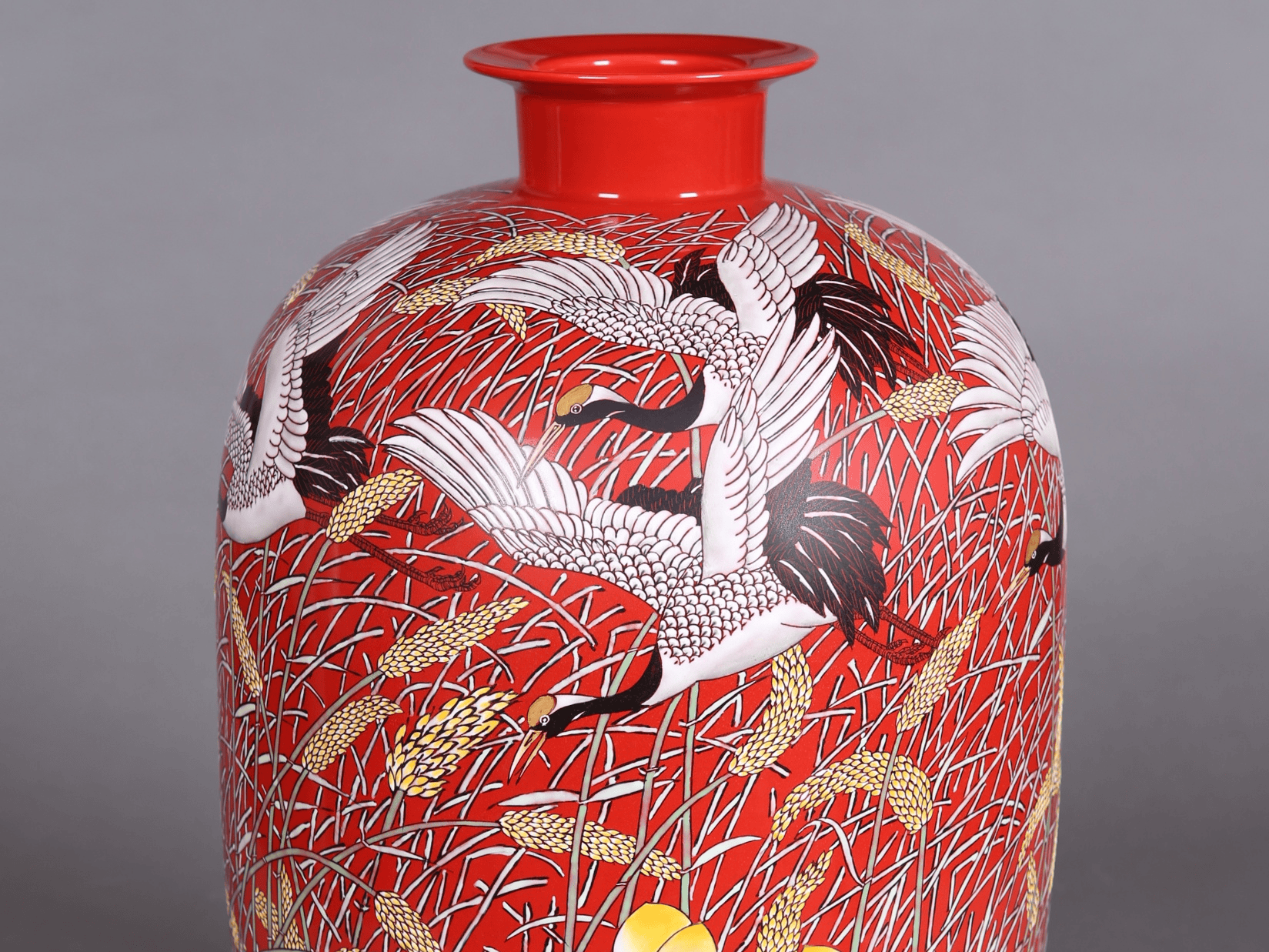
The earthenware holder represents a remarkable integration of effectiveness and creative appeal. Historically, these pots served a basic function in keeping materials, but their advancement has transformed them into highly valued works of art. Each creation showcases the mastery of the potter, demonstrating how structure can be as noteworthy as function. The meticulous shaping, the individual glazes, and the aggregate presence of a finely-produced holder can raise a space, offering both elegance and a modest reminder of the designer’s hand.
Modern Earthenware Figure : Broadening Limits
Present-day terracotta model represents a fascinating shift from historical practices. Designers are dynamically advancing with new methods, challenging the divisions between form and additional craft spheres. From monumental installations to detailed miniature pieces, mentioned works scrutinize themes of character while simultaneously rethinking the definition of what ceramics can achieve. The consequence is a lively arena of originative performance.
Stoneware Sign: Guarding Legacy in Porcelain
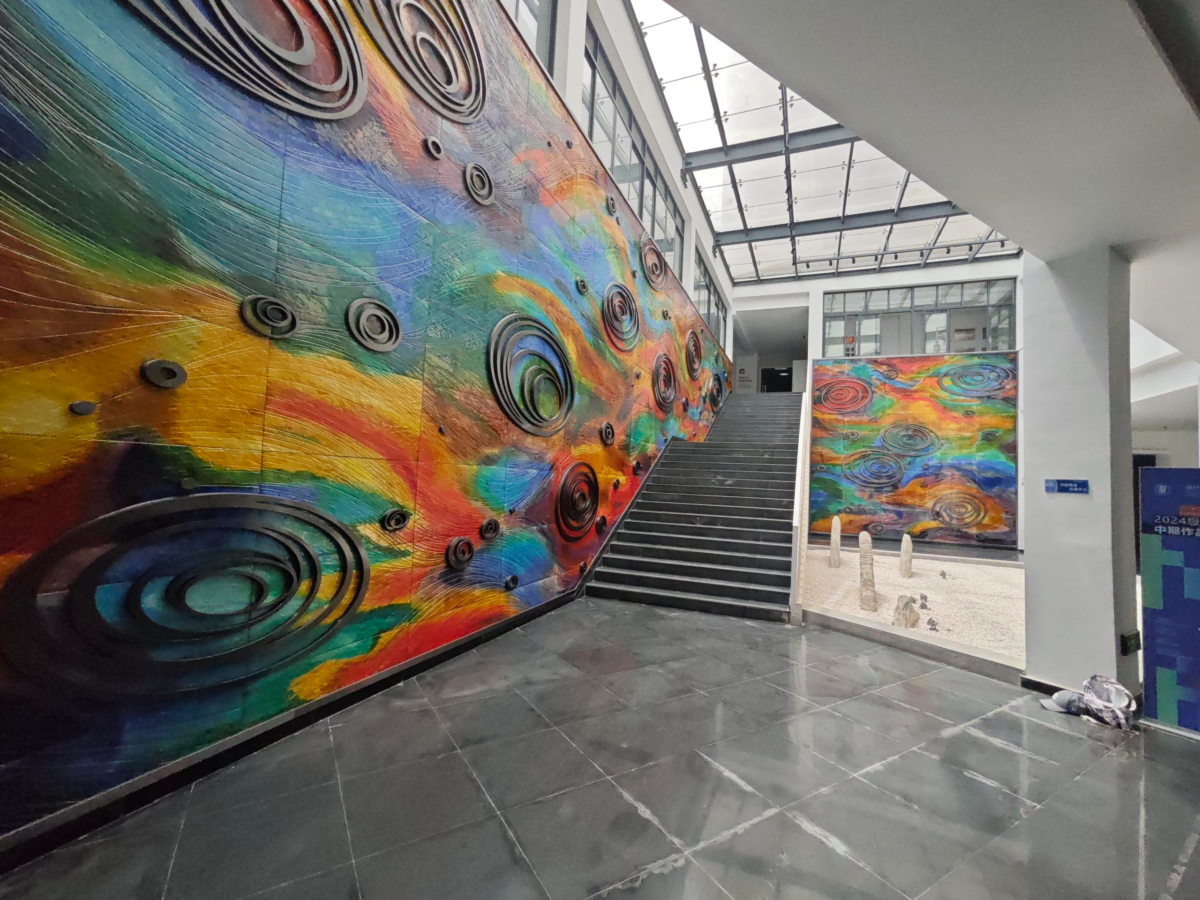
Stoneware plaques offer a uncommon method for capturing significant events and persons. Contrasted with traditional metal or stone markers, these tough pieces of work are formed from baked clay, creating a physical link to the bygone era. Often, they feature intricate figures or beautifully rendered imagery, portraying stories that might otherwise be ceramic mural neglected. That technique, stemming from ancient societies, provides a aesthetically pleasing and lasting way to respect our collective heritage.
- The aforementioned can be installed in communal spaces.
- Many are now recognized historical heirlooms.
Earthenware Art Displays: Modifying Sites
Porcelain art installations are becoming a powerful medium for makers to reinvent public and private venues. These immersive compositions frequently involve extensive clay objects that draw viewers, changing their experience of the built environment. By integrating diverse approaches like hand-building and complicated firing approaches, ceramic artists create truly singular experiences, challenging the frontiers between creation and architecture. The impact is often a moving evolution that enriches the expressive quality of the site and fosters interaction.
Beginning Spindle to Marvel: The Practice of the Clay Holder
The journey of a clay holder from a simple lump of earth to a perfected work of craft is a testament to human brilliance. Historically, the process launches with the potter’s wheel, where the proficient artisan constructs the whirling loam into a cylindrical shape. This beginning stage demands exactness and a acute eye, followed by a delicate hardening period. Once pre-fired, the vase is ready for ornamentation, which may require painting intricate arrangements, incising detailed pictures, or adding a diversity of glazes. The concluding treating process then turns the object into a durable and lovely receptacle, a tangible reflection of the maker's imagination.
Carving with Earthenware: A Overview to Stoneware Project
Delving the sphere of earthenware expression begins with mastering the basics of modeling with pottery. The aforementioned approach comprises thoughtfully layering and taking away components to make three-dimensional models. If you're a neophyte or a seasoned maker, playing with assorted varieties of pottery – particularly ceramic – will facilitate you explore your original manner. In conclusion, porcelain shaping is a valuable undertaking that connects skilled know-how with expressive presentation.