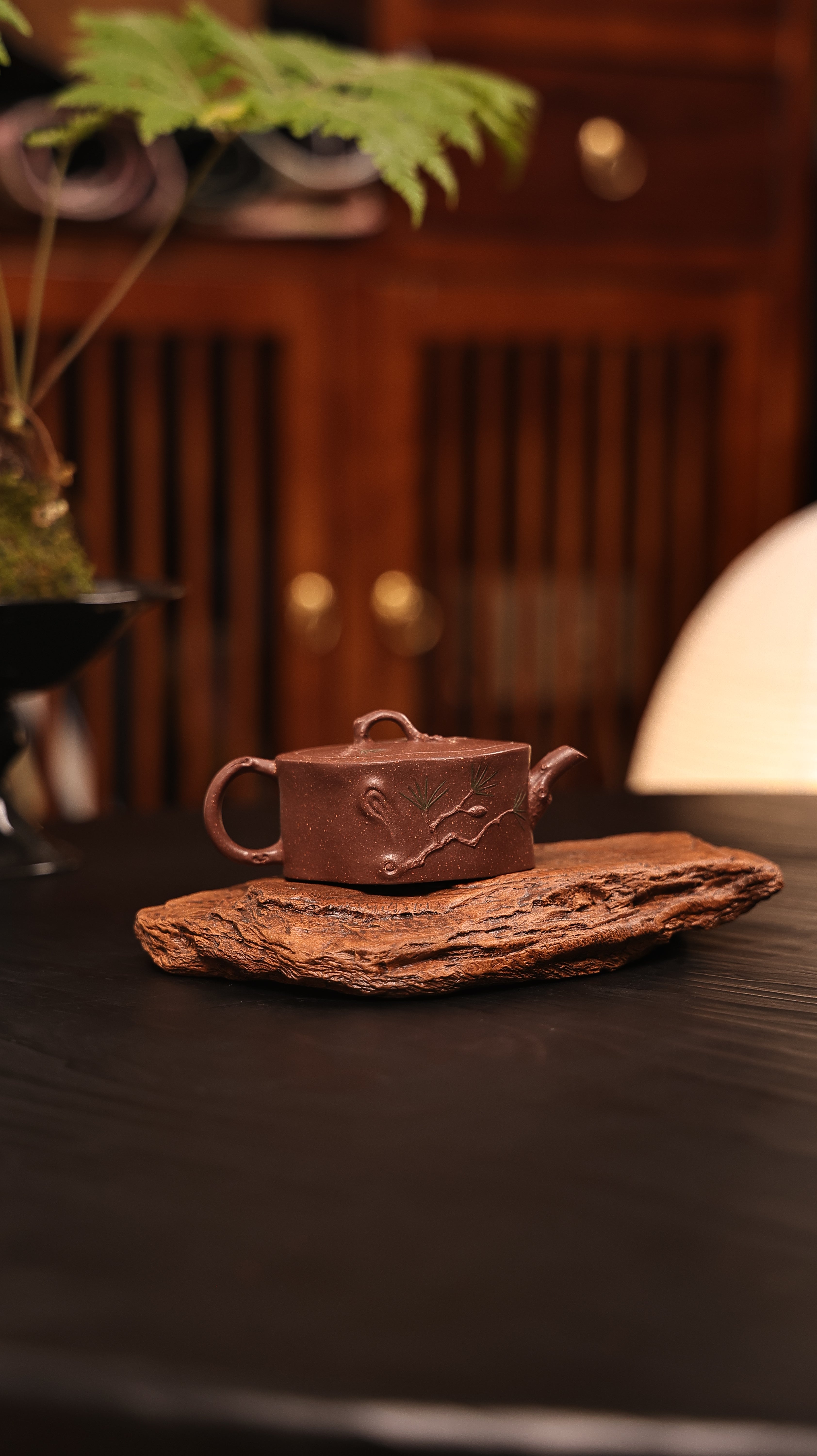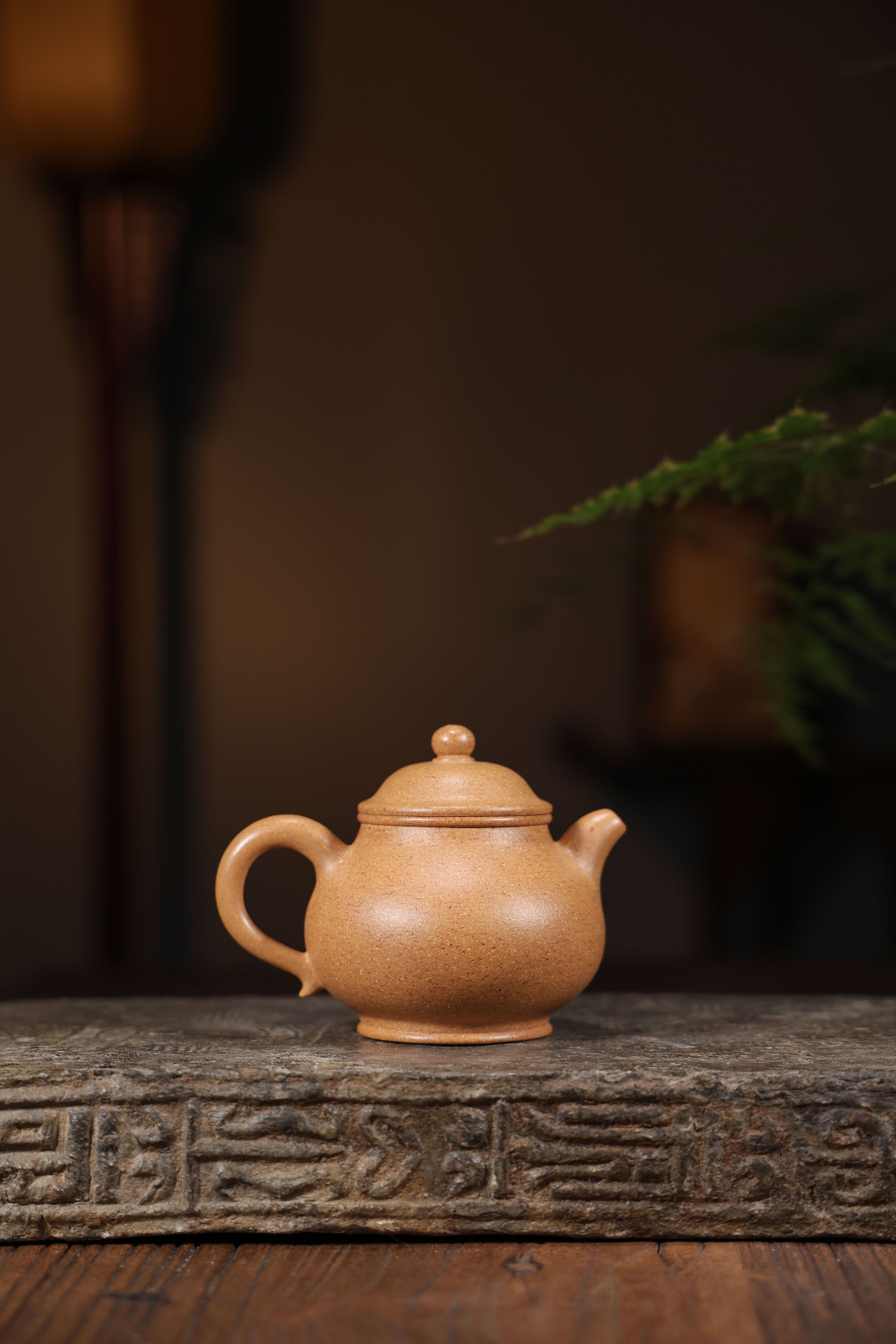
Perpetual custom defines Zisha pottery alongside timespans,
Expressing exclusive characteristics gathered amidst provincial heliotrope clays, these pots evolve a sheen across application, augmenting aroma drawn from infused beverages.
Understanding Yixing Earth: Detailed Insights into Zisha
Countless aficionados appreciate the distinctive feel of Yixing purple clay, a cornerstone of traditional Chinese pottery. Appearing from the Yixing region of Jiangsu province, this valuable clay presents an refined mineral blend, whichever imparts exceptional qualities to the final pieces. Models within Zisha, including Hong Mud, Duan Ni Mud, and Jiang Xi Mud, each possesses individual hues, textures, and curation traits, changing the airflow and the decisive flavor refinement of the concoction.
Asiatic Vessel Traditions: Interpreting Technique
Sino teapots embody more mere urns for liquid; they embody centuries of inherited craft. From the distinguished Yixing clay variations, respected for their breathable nature which infuses extraordinary accents to the tea, to the ornate porcelain from Jingdezhen, each piece conveys a story of craft. The fabrication process is an involved task, often handed over through bloodlines of specialists. These masters use established processes such as hand-building, designing on wheels, and ornamenting, demonstrating profound reverence for the medium and the profession itself. Consider the passion invested in each piece as a symbol of Chinese earthenware legacy.
- Southern vessels: a renowned option.
- Fine china teapots: recognized for their graceful design.
- Shaping techniques: a challenging yet fruitful procedure.
Purple Clay Pitcher Preservation: Conserving Your Cherished Item
Optimal maintenance of your unique Yixing Zisha jar is essential to prolonging its beauty. Crafted from renowned purple sand sediment, these remarkable teapots accumulate a glossy patina after handling, notably boosting their allure. Shun cleaning agents; a careful rinse with lukewarm moisture is efficient. Steer clear of very warm water for scrubbing the teapot, as it may break down its structure. Allow it to fully dry away from bright ultraviolet exposure. Consider curing your teapot regularly using excellent tea, especially deep-flavored varieties. Here is a brief outline:
- Rinse with tepid aqueous solution.
- Resist agents.
- Allow it to dry fully.
- Condition with excellent tea.
Roots of Yixing Teapots: Foundational Periods
The record of Yixing teapots arises modestly during the Tang dynasty, approximately the 16th era. Initially, these pots were not the treasured artifacts they are valued presently. They were created by provincial potters using the unparalleled purple clay gathered solely in the Yixing vicinity. These early artifacts were mostly utilitarian, targeted for commonplace operation and often unadorned in configuration. It was not until the next dynasty that they initiated to earn status beyond mere useful pottery.
Picking the Right Yixing Teapot: A Fundamental Overview
Navigating the universe of Yixing teapots can be formidable, but never fearing! For beginners, the central factor is understanding the sediment. Legitimate Yixing clay is prized for its breathability, allowing the teapot to retain the tea's taste over time, improving every creating session. Imagine the contour; traditional bulbous shapes prevail, yet subjective preferences count. Lastly, copyrightine the surface—while some favor an unprocessed appearance, others value a gentle gloss. Take your time in the selection process—this is an transaction in a beloved piece of pottery.
Zisha Pots and Their Impact on Chinese Potion Custom
Zisha kettles, born from Yixing, China, have profoundly transformed classic Chinese potion culture. Those Yixing clay teapots, prized for their distinctive cast, surface, and exceptional ability to impart a subtle taste to the liquid, are more than mere vessels; they are respected masterpieces and symbols of greatness. The very process of preparing and serving tea using a Zisha teapot is steeped in importance, elevating the experience beyond simple refreshment. Families of artisans have improved their techniques, passed down through bloodlines, resulting in highly prized pieces. Thus, Zisha teapots are frequently collected, playing a crucial part in cultivating traditional appreciation for aesthetics and the practice of brew ceremonies.
- Unique Clay Composition
- Giving Subtle Flavor
- Artistic Craftsmanship
Spotting Genuine Collectible Chinese Pots
Purchasing a legitimate Yixing teapot can be a fruitful experience, but the arena is often flooded with fakes. Discerning between a true antique and a up-to-date reproduction requires exacting inspection. Key signs include the clay's auburn shade, often displaying tiger skin marks, and the shortage of modern firing imprints. The design should exhibit natural grace, reflecting the traditional Yixing design. Finally, evaluating the artisan's inscription is key to verify genuineness against recognized literature.
- Assess the clay's texture.
- Look for blemishes, indicative of custom quality.
- Utilize an specialist for appraisal.
Collecting Traditional Clay Pots: A Complete Overview to Clay Art Evaluation
The world of Zisha Zisha crafts exhibits a Yixing Teapot remarkable venture for savvy patrons. Progressively, the rate of these handcrafted artifacts is driven by many aspects, such as the level of material, the proficiency of the fabricator, the time-honored consequence, and, naturally, the recent attention. Beginners should concentrate on learning about the various species of Zisha clay—such as 冰河, Calm Pot, and Red Clay—and learning about the features linked to each. Thorough copyrightination of the teapot's shape, color, and badge is concurrently paramount to make experienced judgments when investing.