Open Overview concerning Car Assembly Approaches}
Overmolding exhibits a remarkable asset in motor assembly, empowering designers and experts to build highly unified components. This method involves molding a follow-up material enfolding a principal substrate, specifically a synthetic insert or a composite part. The final assembly yields boosted effectiveness, lowered component figure, and amplified ornamental qualities, ultimately supplying to lighter conveyance weight and aggregate structure effectiveness in advanced transport.
External Production for Machine Thermoplastics: Controlling the Distribution Sequence
The climbing complexity of automotive production, coupled with required specifications for budget-friendliness, has prompted a weighty shift toward contract creation for automotive polymers. Skillfully navigating this provision chain requires attentive evaluation of countless factors, including contractor selection, standard oversight, and probable diminution. Corporations must emphasize liaison and clarity to validate a steady circulation of key components and cut obstacles to the overall production process. What’s more global chaos highlights the need for wide-ranging acquisition strategies and hardy distribution infrastructure design.
Thermoplastic Insert Molding Solutions for Engine Parts
Thermoset insert molding offers a durable fix for manufacturing motor pieces. This technique combines the sturdiness of a beaten insert, such as steel, with the style and price competitiveness of polymer. Transport manufacturers are increasingly integrating this method for creating paramount parts like fixtures, minimizing construction term and elevating overall item efficiency. The yielded amalgamated layout provides improved constructional durability and long-term dependability.
Polymer Injection Molding Machine Segments: Trends
The car market is leading meaningful modifications in compound injection molding mechanisms for segments. New innovations embrace a rising focus on lightness enhancement through the implementation of cutting-edge ingredients like reinforced plastics. Furthermore, small-part molding is earning popularity for intricate assemblies, while automation and smart factories methodologies are transforming construction with timely metrics and preventive support. Finally, environmentally friendly methods, like the recycling of elements, are appearing as continually essential to meet environmental matters.
Transport Double molding: Planning Matters and Positives
Motor overmolding offers a intriguing system for advancing the finish and utility of passenger components. Main drafting aspects demand material congruence between the substrate plastic and the encasing material, warranting proper joining and curtailing breakage. Moreover, exacting study of material density is fundamental to ensure sturdiness and avert stress concentrations. The yielded overmolded assemblies equip considerable merits, for example improved touch, sound dampening, and boosted protection from abrasion.
Simplifying Engine Manufacturing with External Manufacturing
The motor arena faces continuous pressure to lessen costs and expedite go-to-market periods. Utilizing contract creation offers a meaningful method to fulfill these ambitions. By assigning component manufacturing or even entire subassemblies to specialized contractors, automotive establishments can secure adaptability, upgrade their capital funds, and spotlight on crucial engineering and advertising campaigns. This shift towards delegation provides for broader scale, specialized expertise, and a efficient overall production workflow.
Thermoplastic Injection Molding in the Motor Industry: Components & Approaches
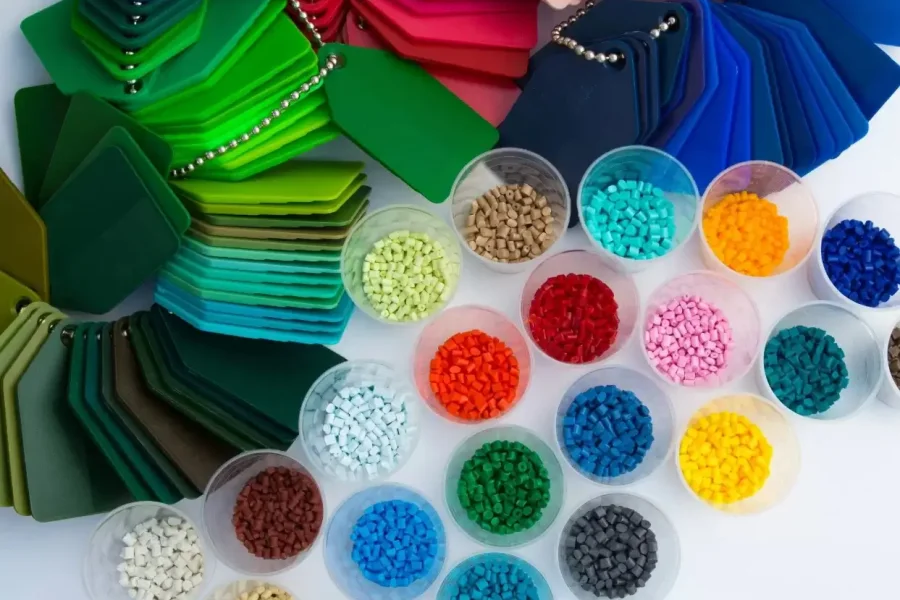
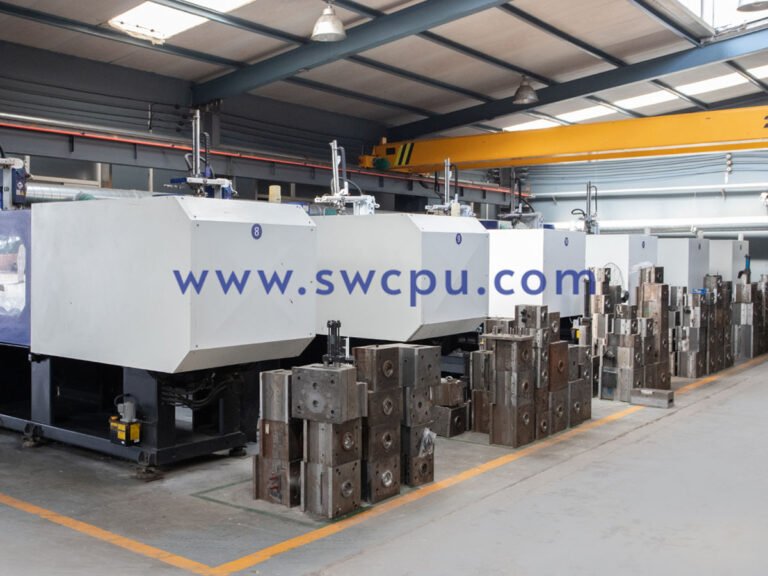
Plastic mold shaping plays a pivotal task in the cutting-edge automotive realm, producing a broad variety of units from interior decor to exterior chassis modules. The practice involves heating a polymer compound to a fluid phase, feeding it into pressure into a alloyed cast, where it crystallizes and holds its expected outline. Prevalent ingredients leveraged cover PP polymers, polyethylenes, ABS polymers, PC compounds, and nylon compounds. Components for component decision embrace stress sturdiness, temperature consistency, chemical compatibility, and investment. On top, innovative systems such as pneumatic aid molding and hybrid segment shaping exist progressively utilized to refine unit grade and decrease production charges.
- Material Items: Polyolefin, PE, ABS, Carbonate Polymer, Nylon Fiber
- Workflow Refinements: Vent Assist Molding, Integrated Component Injection Molding
- Essential Points: Strike Resistance, Warmth Stability
Improving Auto Unit Durability with Thermoset Overmolding Construction
The engine realm faces steady demand to cut bulk and upgrade gasoline optimization. A main strategy is applying plastic insert fabrication techniques to fabricate durable modules. This process constitutes molding a synthetic medium around a ferrous kernel, supplying heightened shock robustness and abating the combined unit mass. Merits include deletion of further fabrication steps, heightened architectural flexibility, and improved erosion defense. Employments are varied, from sophisticated instrument containers to essential junction sections.
- Advanced Vibration Robustness
- Lowered Whole Component Load
- Suppression of Consequent Fastening Actions
Forthcoming Automotive Generation: Overmolding and Mold Molding
The engine domain is profoundly evolving, and leading-edge manufacturing processes are developing as crucial to progression. Notable practices at the forefront are insert molding and plastic molding. Composite Injection facilitates designers to blend distinct elements into a merged module, refining the coupled form and productive elements. Injection molding, a plastic injection molding automotive industry well-established technique, continues essential for developing extensive amounts of element sections with excellent clearness. The foresight anticipates enhanced {adoption|use|implementation|embracement|embracing|acquisition|deployment|