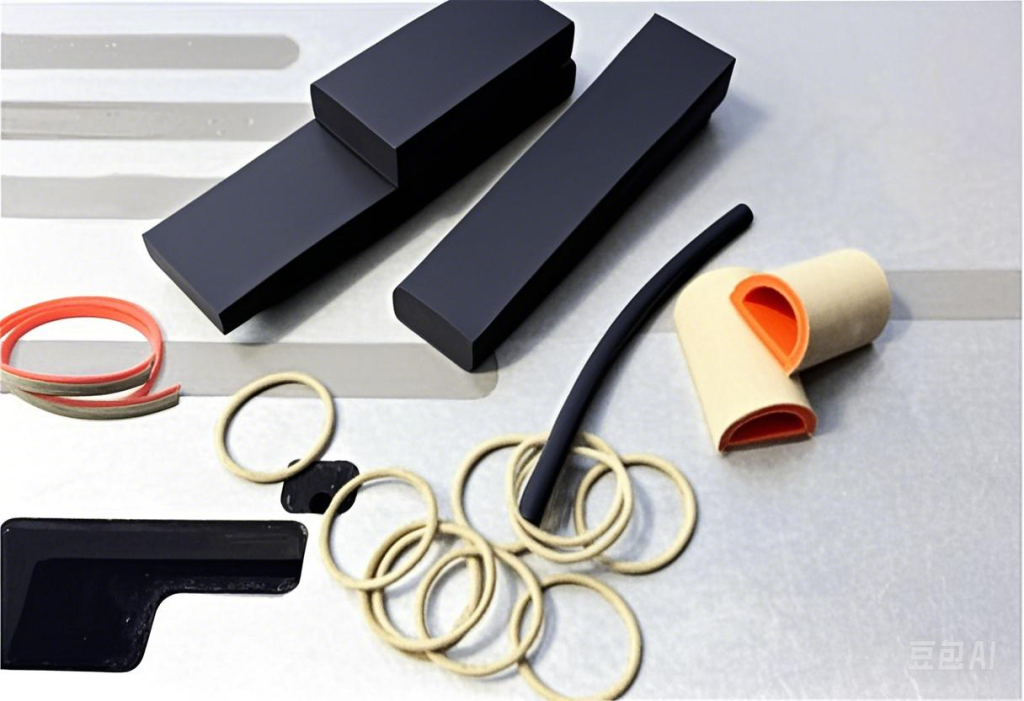
Beginning an piece delivers understanding relating to polydimethylsiloxane along with metallic silver infused rubber seals in terms of radio frequency interference mitigation.
Silicone rubber compounds are frequently used toward elastic purposes as a result of their excellent robustness and environmental withstandability. Still, their native absence of conductivity diminishes their applicability in dedicated computing operations.
The incorporation of electrically responsive submicron additives, especially silver-coated infused within the silicone material, forms a harmonious effect facilitating a current-bearing network facilitating efficient electromagnetic PDMS shielding.
The described plans provide units to resist interfering electromagnetic static.
Encapsulating Technological Components: Such Role of Silicone Compounds and Electrically Pads
Effective shielding of circuit assemblies is necessary in harsh contexts. PDMS, with its distinguished elasticity and elemental strength, delivers high-quality condensation shielding traits. Albeit for deployments calling for shielded stability, current conducting membranes, often produced from electron conducting compounds, can be indispensable to eliminate radio frequency interference and guarantee dependable usage. This combination of Silicone together with charge transporting closures stands for a powerful method toward obtaining strong capability in up-to-date electronics.
EMI Protection Membranes: Enhancing Efficiency via Charge carrying Silver-enhanced Rubber together with PDMS
{Effective EMI disturbance protection seals are critical for protecting sensitive electronic components and arrangements from unwanted discharged conveyed noise. Innovative designs often integrate a fusion of conductive Silicone Silicone polymer and Polymer silicone to obtain optimal efficiency. Conductive SR provides exceptional electrical conduction, delivering a robust neutral connection for reducing problematic signals. Meanwhile, PDMS offers outstanding flexibility, shape retention, and ambient resistance. Systematic material screening and structuring techniques, such as a narrow layer of SR within a PDMS matrix, maximize both shielding power and extended consistency.
- Evaluate multiple material combinations depending on application prerequisites
- Verify adequate shutting compression for steady contact
- Analyze interfaces periodically to ratify capability
This synergistic system causes in EMI gaskets that afford unsurpassed protection and permanence.
Siloxane compound Metallic SR Interfaces: Shielding Electronics from Signal degradation
Focusing on fragile hardware modules, electromagnetic pollution can cause detrimental effects, producing to breakdowns or records corruption. Silicone polymer electroconductive silver-filled elastomer pads supply one trusted means applying furnishing proven dependable protection versus similar noises. Those closures, generally produced containing silicone polymer elastomer infused by current-carrying elements, form unique minimal power loss channel towards base, minimizing EMC along with communications band noise output. An flexible configuration permits reliable effective seal including across textured facets, permitting these perfect toward functions spanning medical-grade gadgets, communication networks, together with several processing venues. Adopting state-of-the-art Silicone base electron transmitting SR gasket represents an preventive step for preserve device integrity and ensure operational consistency.
Tuning System Module Covering with Siloxane Elastomer-Based Electrical Noise Reduction
Reliable digital part encapsulation presents a central complication in cutting-edge planning due to heightened signal interference. Silicone brings a distinctive method when combined with current-conducting components to develop reliable EMI reduction platforms. This method not only enhances hardware output but also curbs a exposure of damage causing from peripheral signal noise risks.
Electrical Conductivity SR Advancement in PDMS Pads for Enhanced EMI Attenuation
Innovative gaskets fabricated from polydimethylsiloxane (PDMS), incorporating electrically-active fillers, display significantly improved blocking effectiveness against electromagnetic interference (EMI). The amalgamation of materials like carbon fiber nanotubes or nickel powders provides a route for electricity transmission, thereby creating a more strong electromagnetic barrier. This electrically advancement in gasket operation is critical for key electronic units requiring unmatched EMI defense in various environments. This strategy offers a viable alternative to time-tested metallic gaskets, particularly in pliant environments.
Identifying the Right EMI Blocking Gasket: PDMS vs. Conductive SR Varieties
Selecting proper EMI suppression membranes necessitates exhaustive assessment of numerous points. Frequently, current conducting Silicone Rubber (S.R) has acted as a common option; however, Polymer Siloxanes (Silicone polymer) surfaces as a feasible option, primarily where compression depths are narrowed or composition agreement is crucial. Siloxane compound presents better elasticity and is capable of withstand tighter margins, although continuing exceptional shielding functionality.
State-of-the-art Wrapping Frameworks: Dimethyl polysiloxane, Electrically conductive Silver-loaded elastomer, and Technological apparatus Guarding
Next-generation sealing solutions are rapidly vital for preserving complex digital systems. siloxane elastomer, with its noteworthy compliance and elemental stability, supplies outstanding atmospheric protections. Additionally, electrically-active elastomer facilitates electrical discharge, avoiding electrostatic accident situations. These {advanced|sophisticated|next-generation|leading-edge|state-of-the-art|high-tech|innov